


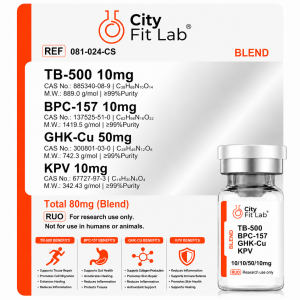
Klow 80mg(Blend)
Klow is a blend comprising TB4, BPC-157, KPV, and GHK-CU. TB4 modulates actin dynamics to promote cell migration, angiogenesis, and collagen synthesis, supporting connective tissue regeneration; BPC-157 upregulates relevant factor expression, enhances angiogenesis and fibroblast activity, repairs multiple tissues, and provides cellular protection; KPV suppresses pro-inflammatory factors, reduces inflammation, and promotes mucosal repair; GHK-Cu stimulates collagen production, regulates inflammation and antioxidant activity, and supports tissue repair. The four peptides complement each other: TB500 and BPC-157 provide migration-angiogenesis-matrix templating, KPV blocks inflammatory negative feedback, while GHK-Cu stabilizes collagen cross-linking and scavenges free radicals. This forms an “anti-inflammatory-migration-regeneration-remodeling” closed loop, enabling Klow to significantly accelerate repair, reduce scarring, and restore function in soft tissue injuries, postoperative healing, skin aging, and mucosal ulcers.
- Estimated Delivery : Up to 4 business days
- Free Shipping : On all orders over $2000 MXN
Related products
-
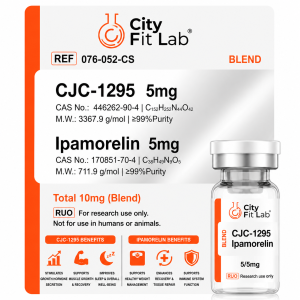
CJC1295,Ipamorelin 5/5 (Blend)
Original price was: $1,450.$1,350Current price is: $1,350. -
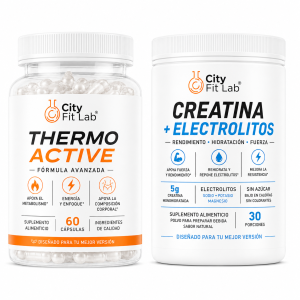
Weight Management + Muscle Gain Bundle
Available on: July 22, 2026 at 7:37 pmOriginal price was: $1,630.$900Current price is: $900. -
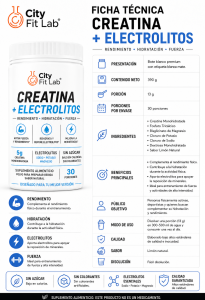
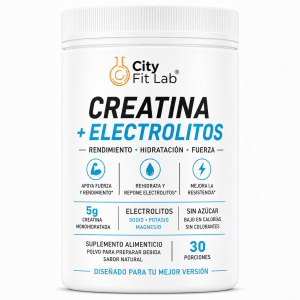
Creatine + Electrolyte Refresher
Available on: July 22, 2026 at 7:35 pmOriginal price was: $780.$420Current price is: $420. -
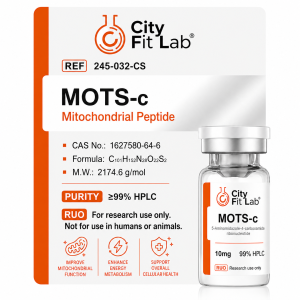
MOTS-c 10mg
$1,100 -
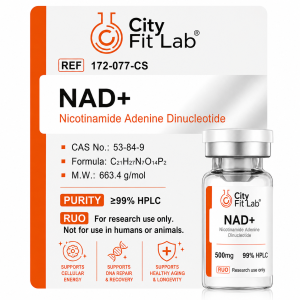
NAD+ 500mg
Original price was: $1,700.$1,350Current price is: $1,350. -
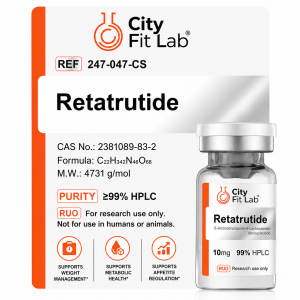
Retatrutide 10mg
Original price was: $3,500.$2,100Current price is: $2,100.

Reviews
There are no reviews yet.