
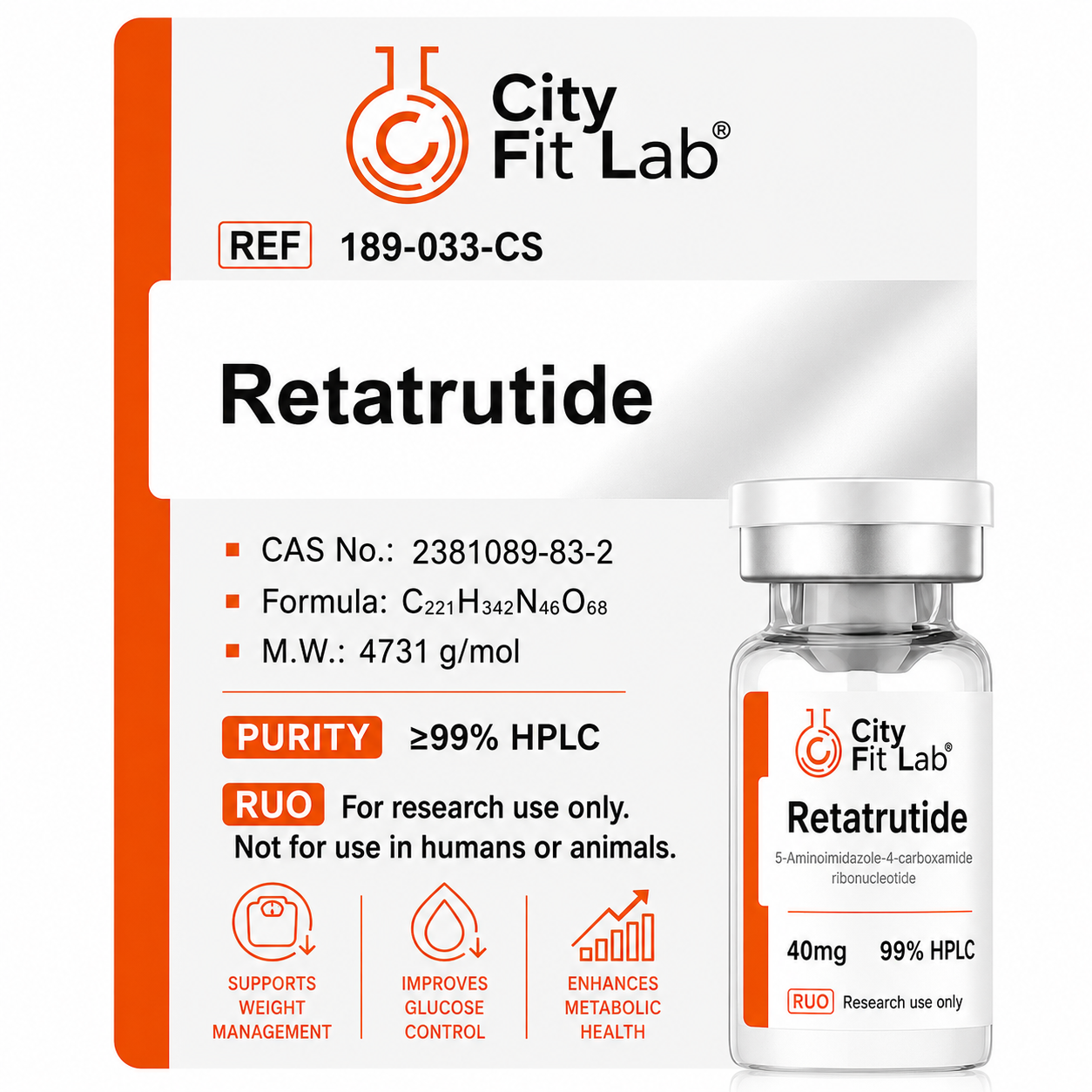
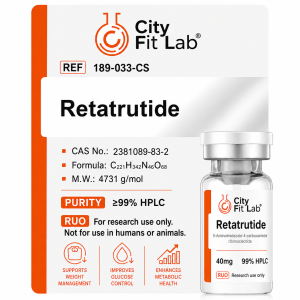
Reta 40mg
Reta is a peptide acting as a triple receptor agonist for GLP-1 receptors (GLP-1R), GIP receptors (GIPR), and glucagon receptors (GCGR). It enhances insulin secretion by activating GLP-1R, inhibits glucagon release, delays gastric emptying, and increases satiety; activates GIPR to enhance insulin sensitivity and regulate lipid metabolism; activates GCGR to promote energy expenditure, inhibit hepatic gluconeogenesis, and reduce hepatic fat deposition. This multi-target synergistic action makes it superior to traditional single-target GLP-1 drugs in lowering blood glucose, reducing body weight, and improving hepatic fat deposition.
- Estimated Delivery : Up to 4 business days
- Free Shipping : On all orders over $2000 MXN
Research Peptide Disclaimer
City Fit Lab offers research peptides strictly for laboratory and scientific research purposes where permitted by applicable law.
These products are not intended for human consumption, injection, medical treatment, diagnosis, or prevention of any disease, unless expressly approved by the appropriate regulatory authorities.
By purchasing research peptides from City Fit Lab, the customer acknowledges and agrees that:
- They are at least 18 years of age.
- They understand the intended research-only nature of these products.
- They assume full responsibility for the purchase, possession, handling, storage, and use of the products.
- City Fit Lab is not responsible for any misuse, off label use, or use inconsistent with the product labeling or applicable laws.
- The customer releases and holds harmless City Fit Lab, its owners, employees, and affiliates from any claims, damages, injuries, or liabilities arising from the purchase or use of these products.
City Fit Lab reserves the right to refuse or cancel any order at its sole discretion if it believes the products may be used in violation of applicable laws or the stated intended purpose.
▎Reta Structure

Source: PubChem |
Sequence: YA⊃1;QGTFTSDYSI-L⊃2;LDKK⁴AQA⊃1;AFIEYLLEGGPSSGAPPPS⊃3;
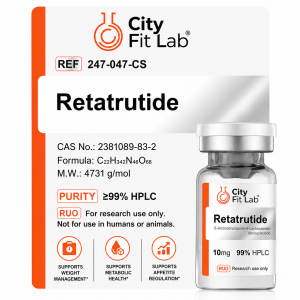
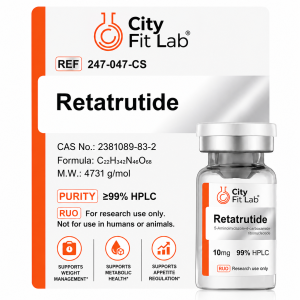
Molecular Formula: C221H342N46O68 Molecular Weight: 4731 g/mol CAS Number: 2381089-83-2 PubChem CID: 171390338 Synonyms:LY3437943 |
▎Reta Research
What is the research background for Reta?
The global prevalence of obesity and type 2 metabolism continues to rise, posing a significant public health challenge. Existing single- or dual-target drugs have limitations in efficacy and safety. Based on the theory of multi-target synergistic regulation via the gastrointestinal insulin axis, research has revealed complementary roles of GLP-1, GIP, and glucagon in metabolic regulation, providing a theoretical foundation for developing multi-receptor agonists.
Building on prior dual-target drug development experience, researchers designed and optimized Reta based on the structural characteristics and signaling mechanisms of these triple receptors. By simultaneously activating GLP-1R, GIPR, and GCGR, it achieves more potent glycemic control and weight reduction.
What is the mechanism of action for Reta?
Receptor Agonism
Reta functions as a triple receptor agonist targeting GLP-1, GCGR, and GIP receptors[1].
GLP-1 receptor agonism: GLP-1 is an incretin hormone secreted by intestinal L cells. Upon binding to GLP-1 receptors, Reta promotes insulin secretion in a glucose-concentration-dependent manner. During hyperglycemia, Reta binds to GLP-1 receptors, activating downstream signaling pathways that prompt pancreatic β-cells to secrete insulin and lower blood glucose levels. It also inhibits glucagon secretion and reduces hepatic glucose output, further stabilizing blood glucose. GLP-1 receptor agonism also delays gastric emptying, increases satiety, and reduces food intake, aiding in weight management[2].
GCGR receptor agonism: Glucagon typically acts during hypoglycemia to elevate blood glucose levels. Reta’s agonist action on GCGR is complex. In adipose tissue, it promotes lipolysis and increases fatty acid oxidation, thereby enhancing energy expenditure. In the liver, moderate GCGR agonism may regulate processes like gluconeogenesis, optimizing hepatic metabolic function. This prevents excessive gluconeogenesis from causing hyperglycemia while maintaining sufficient blood glucose stability to meet the body’s energy demands[1].
GIP receptor agonism: GIP, another incretin hormone, is secreted by K cells in the duodenum and jejunum after meals. Reta’s GIP receptor agonism enhances insulin secretion, synergizing with GLP-1 to improve glucose regulation. Conversely, GIP receptor activation may influence lipid metabolism and energy balance. Brzozowska P’s research indicates that GIP promotes glucose uptake and lipid synthesis in adipocytes. However, under Reta’s influence, GIP signaling is modulated to optimize energy utilization rather than solely promoting fat storage, thereby aiding weight management[1].

Figure 1 Reta’s mechanisms of action[3].
Comprehensive Regulation of Metabolic Processes
Energy Metabolism Regulation: By activating the three receptors mentioned above, Reta comprehensively regulates energy metabolism. It promotes lipolysis, increasing fatty acid entry into mitochondria for β-oxidation and enhancing energy expenditure. It reduces lipogenesis by inhibiting fatty acid uptake and triglyceride synthesis in adipocytes, thereby altering the body’s energy storage and expenditure balance to facilitate weight loss. In relevant animal studies and clinical trials by Jastreboff A M, Reta administration increased energy expenditure rates and progressively reduced body fat content in obese subjects[4].
Glucose Metabolism Regulation: Reta modulates blood glucose through multiple pathways. Beyond stimulating insulin secretion via GLP-1 and GIP receptor activation, it influences hepatic glucose metabolism by regulating GCGR. It suppresses excessive hepatic gluconeogenesis, reduces glucose output, and simultaneously enhances peripheral tissue glucose uptake and utilization, thereby maintaining normal blood glucose levels. This is particularly crucial for obese patients with type 2 metabolism, effectively controlling blood glucose and improving diabetic conditions[2].
Liver Metabolic Regulation: Within the liver, Reta not only modulates glucose metabolism but also influences lipid metabolism. It reduces hepatic triglyceride synthesis and accumulation, improves hepatic steatosis, and holds potential therapeutic value for non-alcoholic fatty liver disease (NAFLD). In clinical trials involving participants with metabolic dysfunction-associated fatty liver disease (MDAFLD), Reta significantly reduced hepatic fat content, demonstrating its positive regulatory effect on hepatic metabolism[5].
Effects on Gastrointestinal Function
Reta delays gastric emptying by activating GLP-1 receptors. Slower gastric emptying prolongs food residence time in the stomach, generating sustained satiety and reducing subsequent food intake. Simultaneously, it may influence gut hormone secretion and intestinal motility, further regulating gastrointestinal digestion and nutrient absorption processes, thereby comprehensively affecting energy intake and body weight [2].
What is the synergistic mechanism between Reta’s agonistic effects on GLP-1, GCGR, and GIP receptors?
Synergy in Energy Metabolism Regulation
Increased Energy Expenditure: Activation of GCGR promotes glycogenolysis and gluconeogenesis to elevate blood glucose levels. It also enhances energy expenditure by increasing lipid metabolism and suppressing food intake through central satiety. GLP-1R agonists stimulate insulin secretion and exert cardioprotective and neuroprotective effects, while also reducing energy intake by delaying gastric emptying and suppressing appetite. While GIPR activation in adipose tissue promotes lipid accumulation, its central activation reduces food intake and alleviates weight gain. Reta simultaneously targets these three receptors, establishing a new equilibrium between energy intake and expenditure. This more effectively achieves an energy deficit, thereby facilitating weight loss.
Regulating lipid metabolism: GCGR agonism enhances lipid metabolism, while GIPR activation in adipose tissue also influences lipid metabolism. GLP-1R agonists may indirectly affect lipid metabolism through mechanisms such as improving insulin sensitivity. Their synergistic action better regulates fat synthesis, breakdown, and transport, reducing fat accumulation and improving body fat distribution. For instance, studies in obese patients showed that after using Reta for a period, body fat percentage decreased and lipid profiles improved to some extent, suggesting its synergistic effects in regulating fat metabolism[6].
Synergistic Effects in Glucose Regulation
Enhanced Insulin Secretion: GLP-1R agonists lower blood glucose by binding to GLP-1 receptors and promoting insulin secretion. GIP similarly stimulates pancreatic β-cells to produce insulin secretion effects similar to those induced by dietary intake. Reta, which simultaneously activates GLP-1R and GIPR, significantly enhances insulin secretion, thereby more effectively lowering blood glucose levels. Although GCGR is typically associated with elevated blood glucose, its effects—such as promoting energy expenditure—can indirectly contribute to glucose stability when synergistically acting with receptors like GLP-1R. Furthermore, the combined use of GLP-1 and GCGR selectively counteracts the hyperglycemic risk induced by GCGR, enabling more precise and effective glucose regulation.
Regulating Glucose Homeostasis: The synergistic activation of these three receptors extends beyond mere insulin secretion to encompass comprehensive glucose homeostasis regulation. By influencing glucose uptake, utilization, and storage across multiple tissues including liver, muscle, and adipose, Reta maintains blood glucose within a relatively stable range, preventing significant fluctuations. In a study by Nicholls S involving type 2 metabolism patients, Reta administration resulted in a significant reduction in glycated hemoglobin levels, indicating its positive impact on long-term glycemic control and demonstrating the synergistic effects of the three receptors in regulating glucose homeostasis [6].
Synergistic Activation of Signal Transduction Pathways
Common Signal Pathway Activation: GLP-1R, GCGR, and GIPR primarily signal through G (Gαs) proteins. When Reta acts on these three receptors, it converges to activate shared downstream pathways such as the cAMP-PKA pathway. This shared pathway activation enhances signal transduction efficiency and potency, amplifying regulatory effects on cellular metabolism and physiological functions.
Coordinating distinct pathways: While sharing common pathways, each receptor also activates unique signaling networks. Reta modulates these distinct pathways synergistically during receptor activation, enabling coordinated metabolic regulation.
Synergistic Regulation of Gastrointestinal Function
Influencing Gastrointestinal Hormone Secretion: GLP-1R agonists stimulate GLP-1 secretion, while GIPR agonists regulate GIP release. These gastrointestinal hormones play crucial roles in modulating gastrointestinal motility, digestion, and absorption. By simultaneously activating both receptors, Reta provides more comprehensive regulation of gastrointestinal hormone secretion, thereby influencing gastrointestinal function. It may reduce rapid nutrient absorption by modulating gastric emptying rates and intestinal motility, aiding in weight and blood glucose control.
Improving the Gastrointestinal Metabolic Environment: By regulating gastrointestinal hormone secretion, Reta also enhances the metabolic environment within the gastrointestinal tract. It promotes the growth and metabolism of beneficial gut bacteria and modulates intestinal barrier function. These alterations may further influence the body’s overall metabolic state. Working synergistically with effects on energy metabolism and blood glucose regulation, these mechanisms collectively contribute to the therapeutic effects against obesity and related metabolic disorders.
What are the applications of Reta?
Obesity Treatment
Significant Weight Loss Effects: Multiple clinical trials demonstrate Reta’s efficacy in obesity treatment. In a Phase 2 double-blind, randomized, placebo-controlled trial by Jastreboff A M involving 338 adults, participants received weekly Reta at varying doses or placebo for 48 weeks. Results showed that at week 24, the 1mg group achieved an average weight loss of 7.2%, the 4mg combination group lost 12.9%, the 8mg combination group lost 17.3%, and the 12mg group lost 17.5%, while the placebo group lost only 1.6%. By week 48, the 1mg group achieved an average weight loss of 8.7%, the 4mg combination group lost 17.1%, the 8mg combination group lost 22.8%, the 12mg group lost 24.2%, and the placebo group lost 2.1%. Among participants receiving 4mg, 8mg, and 12mg Reta, 92%, 100%, and 100% achieved 5% or greater weight loss, respectively. 75%, 91%, and 93% achieved 10% or greater weight loss. and 60%, 75%, and 83% achieved 15% or greater weight loss, compared to 27%, 9%, and 2% in the placebo group. These data conclusively demonstrate Reta’s efficacy in weight reduction for obese patients[4].
Type 2 Metabolism Treatment
Glycemic Control Efficacy: Studies by Lopez D C et al. indicate Reta positively impacts glycemic control in type 2 metabolism patients. In a trial involving 353 participants, Reta reduced glycated hemoglobin (HbA1c) by 1.64% compared to placebo. This demonstrates Reta’s efficacy in lowering blood glucose levels in type 2 metabolism patients, thereby contributing to improved clinical outcomes[7].
Combined Mechanism Advantage: Reta acts on multiple receptors, offering a unique advantage over single-receptor agonists through its combined agonist mechanism. It not only lowers blood glucose by stimulating insulin secretion but also enhances insulin sensitivity, enabling body cells to utilize insulin more effectively for comprehensive glycemic control. Its weight-reducing effects further improve metabolic status in type 2 metabolism patients, as obesity is a significant risk factor for the condition and weight loss facilitates better blood glucose management [5].
Treatment of Non-Alcoholic Fatty Liver Disease
Reducing Liver Fat Content: Reta demonstrated the ability to reduce liver fat content in patients with metabolic dysfunction-associated fatty liver disease (MDAFLD) and liver fat content ≥10%. In a randomized, double-blind, placebo-controlled trial, 98 participants were randomly assigned to receive weekly subcutaneous injections of Reta (1mg, 4mg, 8mg, or 12mg) or placebo for 48 weeks. Results showed that at week 24, the mean change in hepatic fat content relative to baseline was -42.9% in the 1mg group, -57.0% in the 4mg group, -81.4% in the 8mg group, and -82.4% in the 12mg group, compared to +0.3% in the placebo group. These findings indicate that Reta significantly reduces hepatic fat content, demonstrating potential therapeutic value for non-alcoholic fatty liver disease[8].
Improving Hepatic Metabolic Function: Reta enhances liver metabolic function by regulating energy and lipid metabolism. It promotes the oxidation and breakdown of hepatic fats, reduces fat accumulation in the liver, modulates inflammatory responses and oxidative stress levels within the liver, and exerts a certain inhibitory effect on the progression of NAFLD, thereby protecting patients’ liver health.
Conclusion
As a triple receptor agonist of GLP-1R/GIPR/GCGR, Reta exerts metabolic regulatory effects through a multi-target synergistic mechanism. Its effects encompass activating GLP-1R to suppress appetite and delay gastric emptying, thereby reducing energy intake; activating GIPR to enhance insulin secretion and improve insulin sensitivity; and activating GCGR to promote lipolysis and energy expenditure while regulating hepatic glucose and lipid metabolism to reduce fat accumulation. This triple synergy achieves comprehensive effects including potent glycemic control, significant weight loss, and improved lipid and hepatic fat metabolism. Its core value lies in obesity treatment, achieving dose-dependent weight reduction with a maximum 48-week loss of 24.2%. For type 2 metabolism, it effectively lowers glycated hemoglobin and improves glycemic homeostasis. In metabolic dysfunction-associated fatty liver disease, it significantly reduces hepatic fat content, demonstrating potent efficacy across multiple metabolic disorders.
Be the first to review “Reta 40mg”
Related products
-
Reta 10mg
Original price was: $3,500.$2,100Current price is: $2,100. -
Epi 50mg
Original price was: $1,510.$1,300Current price is: $1,300. -
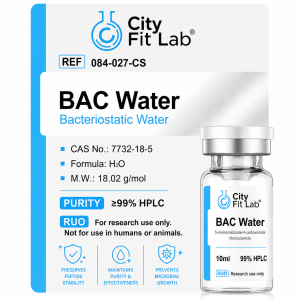
BAC 10ml
$350 -
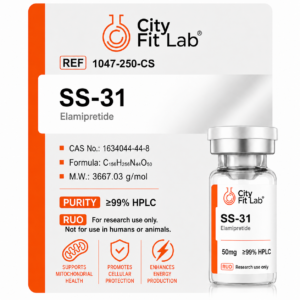
SS 31 50mg
Original price was: $4,721.$3,800Current price is: $3,800. -
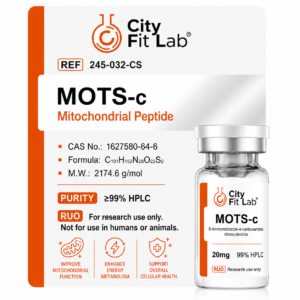
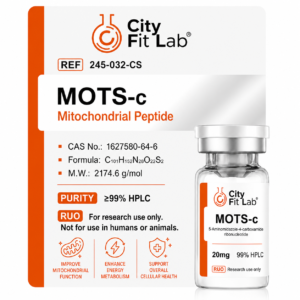
MOTS 20mg
Original price was: $2,400.$1,950Current price is: $1,950. -


Reviews
There are no reviews yet.