
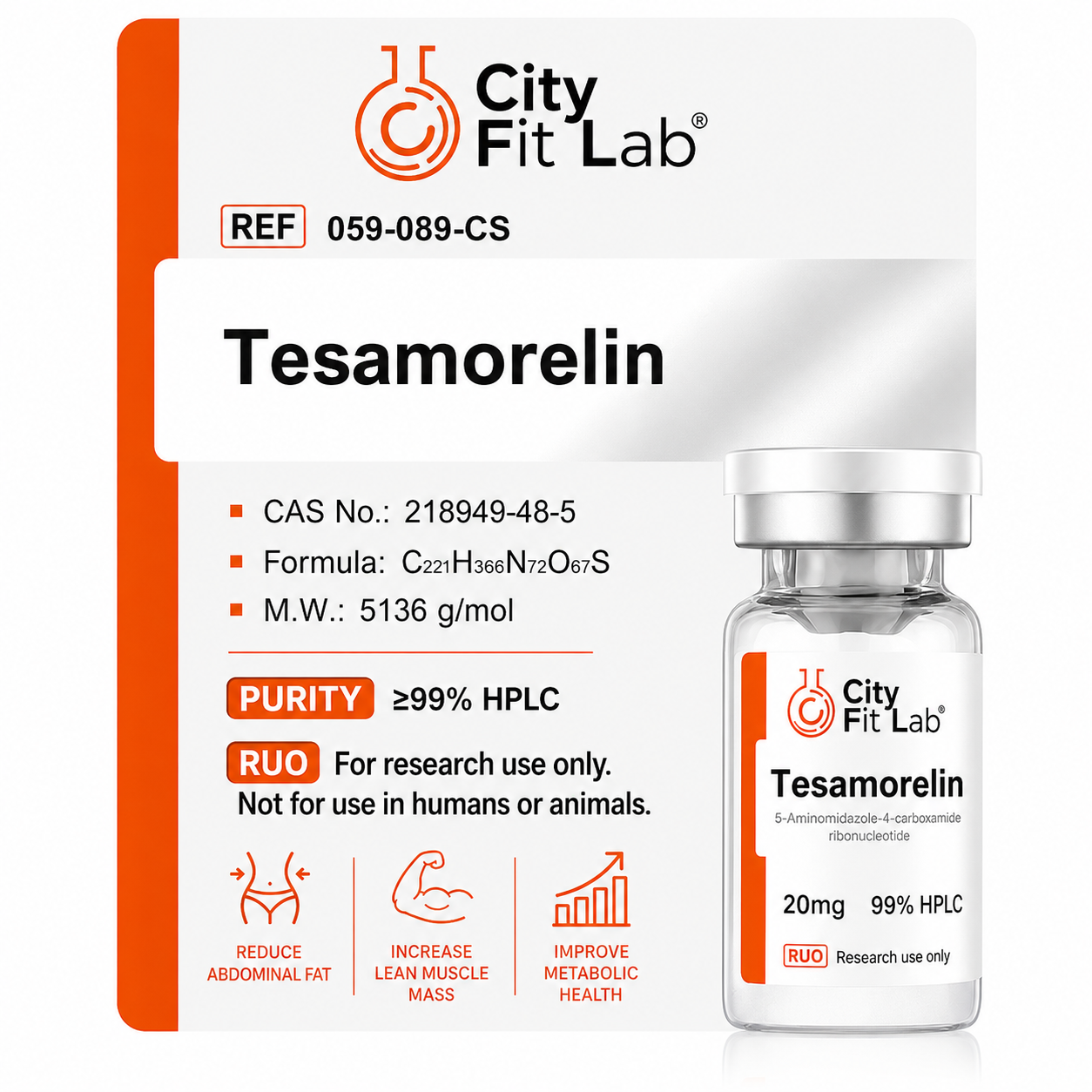
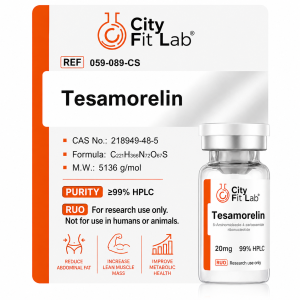
Tesa 20mg
Tesa is a synthetic analog of growth hormone-releasing hormone (GHRH), which is mainly used to treat the abnormal accumulation of abdominal fat in HIV-infected individuals caused by antiretroviral therapy, and it has significant clinical significance and multiple advantages. By mimicking the GHRH produced by the human body itself, it stimulates the anterior pituitary gland to secrete growth hormone, thereby increasing the level of serum insulin-like growth factor I. This, in turn, helps to consume visceral fat and optimize fat distribution. In addition to reducing abdominal fat, it can also optimize body composition, enhance muscle strength, and increase bone density.
- Estimated Delivery : Up to 4 business days
- Free Shipping : On all orders over $2000 MXN
▎Tesa Structure

Source: PubChem |
Sequence: YADAIFTNSYRKVLGQLSARKLLQDIMSRQQGESNQERGARARL
Molecular Formula: C221H366N72O67S Molecular Weight: 5136 g/mol CAS Number: 218949-48-5 PubChem CID: 16137828 Synonyms: Egrifta |
▎Tesa Research
What is the research background of Tesa?
Recombinant human growth hormone (rhGH) has clinical effectiveness in the treatment of growth hormone (GH) deficiency, but it is also accompanied by various adverse side effects. This situation has prompted the development of human growth hormone-releasing factor (GFR) analogs, as they may have better tolerability. Tesa is a synthetic GFR that has been developed as a potential treatment for a variety of diseases that may be related to a relative deficiency of GH, including HIV-associated lipodystrophy.
What are the mechanisms of action of Tesa?
Mechanism of action on HIV-associated non-alcoholic fatty liver disease (NAFLD):
Regulation of gene expression:
In HIV-associated NAFLD, through gene set enrichment analysis, it was found that Tesa increased the expression of the signature gene set related to oxidative phosphorylation in the liver, while reducing the expression of gene sets related to inflammation, tissue repair, and cell division [1]. Specifically, Tesa down-regulated the liver gene sets related to inflammation, tissue repair, and cell division, indicating that it exerts its effect by regulating the expression of these genes.
Inhibition of key mediators:
Tesa can inhibit key mediators of angiogenesis, fibrosis, and inflammation. For example, it can significantly reduce the levels of vascular endothelial growth factor A (VEGFA), transforming growth factor β1 (TGFB1), and macrophage colony-stimulating factor 1 (CSF1). In participants receiving Tesa treatment, the decrease in VEGFA and CSF1 in the plasma was associated with a decrease in the non-alcoholic fatty liver disease activity score, and the decrease in TGFB1 and CSF1 was associated with a decrease in the gene-level fibrosis score[1]. As a regulator of monocyte recruitment and activation, CSF1 may become an innovative therapeutic target for HIV-associated NAFLD.
Mechanism of action on peripheral nerve injury:
In the treatment of peripheral nerve injury, Tesa is believed to enhance axonal regeneration, reduce muscle atrophy, and improve functional outcomes. Current studies suggest that Tesa may exert its effect by promoting the process of nerve regeneration and repair. The specific mechanism of action is not yet fully understood, but it may involve the regulation of nerve growth factors, the promotion of axonal growth, and myelination [2].
What is the specific mechanism of Tesa in reducing visceral fat and liver fat in HIV-infected individuals?
Regulatory effect on growth hormone:
Stimulating growth hormone secretion:
Tesa is a synthetic GHRH that can stimulate the secretion of growth hormone. In HIV-infected individuals, the secretion of growth hormone may be affected, and Tesa can promote the anterior pituitary gland to release growth hormone by mimicking the action of GHRH[3-5].
Regulating fat metabolism:
Growth hormone plays an important role in fat metabolism. It can promote lipolysis, increase the oxidation of fatty acids, and reduce fat accumulation. By stimulating the secretion of growth hormone, Tesa may indirectly regulate fat metabolism and reduce the accumulation of visceral fat and liver fat[3-5].
Influence on liver gene expression:
Altering gene pathways:
Studies have found that Tesa can increase the expression of the signature gene set related to oxidative phosphorylation in the liver, while reducing the expression of gene sets related to inflammation, tissue repair, and cell division[1].
Affecting genes related to the prognosis of hepatocellular carcinoma:
Tesa can also regulate the gene sets related to the prognosis of hepatocellular carcinoma, up-regulating the gene sets related to a good prognosis and down-regulating the gene sets related to a poor prognosis, respectively [1]. These changes in gene expression may be related to the effect of Tesa on reducing liver fat.
Relationship with fibrosis-related gene scores:
In participants treated with Tesa, these changes in liver expression were associated with improved fibrosis-related gene scores. This indicates that Tesa may reduce liver fat by regulating liver gene expression and improving the fibrotic condition of the liver [1].
Effect on plasma proteins:
Inhibiting key mediators:
Tesa can significantly reduce the levels of plasma proteins such as vascular endothelial growth factor A (VEGFA), transforming growth factor β1 (TGFB1), and macrophage colony-stimulating factor 1 (CSF1) [1]. These proteins are related to angiogenesis, fibrosis, and inflammation, and the inhibition of them by Tesa may help reduce liver fat and inflammation.

Source:PubMed[1]
What are the applications of Tesa?
Effect on HIV-infected individuals:
Reducing visceral fat and liver fat:
Some studies have shown that in HIV-infected individuals receiving integrase inhibitor (INSTIs) treatment, the increase in visceral adipose tissue (VAT) is a matter of concern because VAT is associated with downstream comorbidities such as non-alcoholic fatty liver disease (NAFLD). Tesa has been shown to reduce VAT in HIV-infected individuals with lipohypertrophy by more than 15% within 6 months [6]. In a placebo-controlled trial of 61 participants with HIV-associated NAFLD, a post-hoc analysis of individuals receiving INSTIs treatment found that after 12 months, VAT in the placebo group increased by 10.8%, while VAT in the Tesa treatment group decreased by 8.3% overall. In addition, the liver fat fraction (HFF) in the Tesa treatment group decreased by 31% relative to the baseline, which was significantly higher than that in the placebo treatment group[6].
Improving fat quality:
In HIV-infected individuals, in patients with central obesity who used Tesa, the density of visceral fat (VAT) and subcutaneous fat (SAT) increased, and this increase was independent of changes in fat mass, indicating that Tesa can also improve the quality of VAT and SAT in this group of patients [7].
Effect on immune function:
Long-term use of Tesa can reduce the markers of T cell and monocyte/macrophage activity in the circulation of HIV-infected individuals and down-regulate the immune pathways in the liver. Specifically, compared with the placebo, Tesa reduced the circulating concentrations of 13 proteins, including four chemokines, two cytokines, four T cell-related molecules, as well as arginase-1, galectin-9, and hepatocyte growth factor. Network analysis showed a close interaction between the gene pathways responsible for reducing these proteins, and targeted transcriptomics confirmed the down-regulation signal of the immune pathways in the liver [8].
Effect in non-alcoholic fatty liver disease:
Reducing liver fat and preventing fibrosis progression:
In HIV-associated non-alcoholic fatty liver disease, Tesa has been shown to reduce liver fat and prevent fibrosis progression. Researchers conducted a focused evaluation of 9 plasma proteins corresponding to the top leading edge genes in the differentially regulated gene sets and found that Tesa led to a significant reduction in vascular endothelial growth factor A (VEGFA), transforming growth factor β1 (TGFB1), and macrophage colony-stimulating factor 1 (CSF1). In participants treated with Tesa, the decrease in VEGFA and CSF1 in the plasma was associated with a decrease in the non-alcoholic fatty liver disease activity score, and the decrease in TGFB1 and CSF1 was associated with a decrease in the gene-level fibrosis score. As a regulator of monocyte recruitment and activation, CSF1 may become an innovative therapeutic target for non-alcoholic fatty liver disease in HIV[1].
Influence on the liver transcriptome signature:
Using gene set enrichment analysis, it was found that Tesa increased the liver expression of the signature gene set related to oxidative phosphorylation and reduced the liver expression of gene sets related to inflammation, tissue repair, and cell division. In addition, Tesa also up-regulated and down-regulated the selected gene sets related to good and poor prognosis of hepatocellular carcinoma, respectively. In participants treated with Tesa, these changes in liver expression were associated with improved fibrosis-related gene scores[9].
In conclusion, as a synthetic analog of growth hormone-releasing hormone, Tesa has demonstrated therapeutic potential in multiple aspects. A large number of studies have confirmed that it can effectively regulate the secretion of growth hormone and improve human metabolic function. In the treatment of HIV infection-related diseases, it has a significant effect on reducing abdominal fat accumulation. By stimulating the secretion of growth hormone and optimizing fat metabolism, it reduces the amount of visceral fat without affecting lean body mass, and plays a positive role in adjusting the body composition of patients. In the treatment of non-alcoholic fatty liver disease, some studies have also shown that it can reduce the fat content in the liver. Tesa is of great significance. For HIV-infected patients, it provides an effective means to improve the fat metabolism disorder caused by the disease and treatment, improves the quality of life of patients, helps relieve the psychological pressure caused by changes in appearance, and enhances their sense of social integration. Unit introduction
2 reviews for Tesa 20mg
5.00 out of 5 stars
Add a review
Related products
-
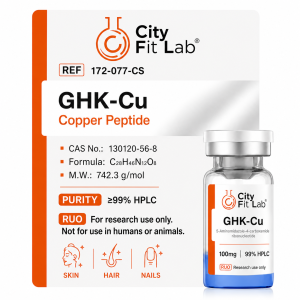
GHK Cu 100mg
Original price was: $1,200.$1,000Current price is: $1,000. -
MOTS 10mg
$1,100 -
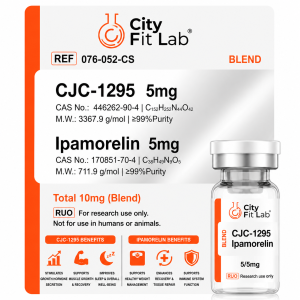
CJC,Ipa 5/5 (Blend)
Original price was: $1,450.$1,350Current price is: $1,350. -

BAC 3ml
$210 -

-

Carlos Hernández –
Llevo 8 semanas utilizando el protocolo y los resultados han sido excelentes. He notado una mejor recuperación después de entrenar, más energía durante el día y una gran mejora en mi composición corporal. El proceso fue muy bien explicado y el seguimiento fue excelente.
Guz –
I love this product and being provided with a COA makes it even better thank you