
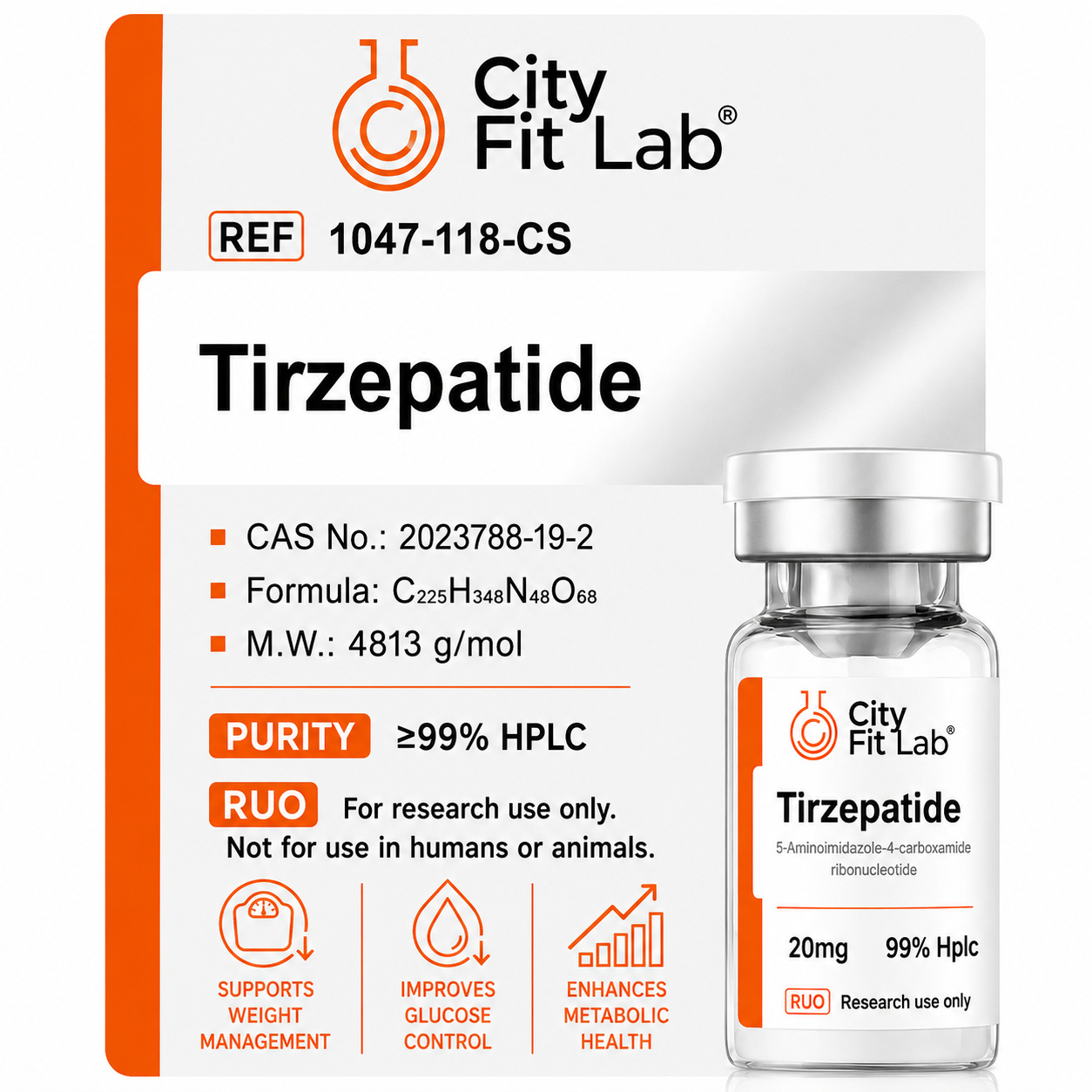
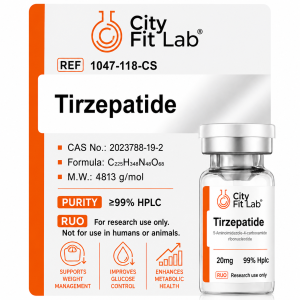
Tirze 20mg
is a dual receptor agonist primarily acting on the GIP and GLP-1 signaling pathways. Its effects manifest through synergistic regulation of insulin secretion, inhibition of glucagon release, and enhancement of central satiety signals, thereby improving glucose homeostasis and energy metabolism. Its mechanism integrates endocrine and neural regulation via dual pathways, achieving more comprehensive metabolic control. It holds significant research value in weight management, metabolic syndrome, and related signaling pathway studies.
The peptide will be provided as lyophilized powder to ensure maximum stability.
- Estimated Delivery : Up to 4 business days
- Free Shipping : On all orders over $2000 MXN
▎Tirze Structure

Source: PubChem |
Sequence: Tyr-{Aib}-Glu-Gly-Thr-Phe-Thr-Ser-Asp-Tyr-Ser-Ile-{Aib}-Leu-Asp-Lys-Ile-Ala-Gln-{diacid-C20-gamma-Glu-(AEEA)2-Lys}-Ala-Phe-Val-Gln-Trp-Leu-Ile-Ala-Gly-Gly-Pro-Ser-Ser-Gly-Ala-Pro-Pro-Pro-Ser-NH2
Molecular Formula: C225H348N48O68 Molecular Weight: 4813 g/mol CAS Number: 2023788-19-2 PubChem CID: 163285897 Synonyms: Zepbound; Mounjaro |
▎Tirze Research
What is the research background of Tirze?
The research background of Tirze primarily stems from the exploration of metabolism treatment drugs and the demand for weight management drugs. Traditional metabolism treatment drugs have limitations, while GLP-1 receptor agonists demonstrate significant efficacy in improving blood glucose control, prompting researchers to develop more effective drugs of the same class. As a GIP/GLP-1 dual receptor agonist, Tirze can better regulate blood glucose levels. The global increase in overweight and obese populations has made weight control an urgent clinical need. GLP-1 receptor agonists have weight-reducing effects, making them a target for weight loss. Tirze has gained attention due to its favorable weight-loss outcomes.
What is the mechanism of action of Tirze?
Dual receptor agonist action:
Tirze is a dual glucagon-like peptide-1 (GLP-1) and glucose-dependent insulinotropic polypeptide (GIP) receptor agonist [1,2](Wong E, 2023; Kumar D, 2022). GLP-1 and GIP are both incretin hormones produced in the intestine, playing a crucial role in maintaining glucose homeostasis. Tirze exerts a synergistic effect by simultaneously activating GLP-1 and GIP receptors, thereby regulating blood glucose levels.
Regulation of insulin and glucagon secretion:
It increases insulin synthesis and secretion while reducing glucagon release in a glucose-dependent manner. When blood glucose levels rise, Tirze stimulates pancreatic β-cells to secrete insulin, promoting glucose uptake and utilization, thereby lowering blood glucose levels; simultaneously, it inhibits pancreatic α-cells from secreting glucagon, reducing hepatic glucose output, further lowering blood glucose levels, and effectively controlling fasting and postprandial blood glucose levels[1,3].
Other mechanisms of action:
Tirze also promotes satiety, which may be related to activating GLP-1 receptors, acting on the central nervous system, and influencing appetite regulation centers, leading patients to reduce food intake and thereby aiding in weight loss. It also delays gastric emptying, prolonging the time food remains in the stomach and slowly entering the small intestine, thereby preventing rapid increases in blood glucose levels[1].
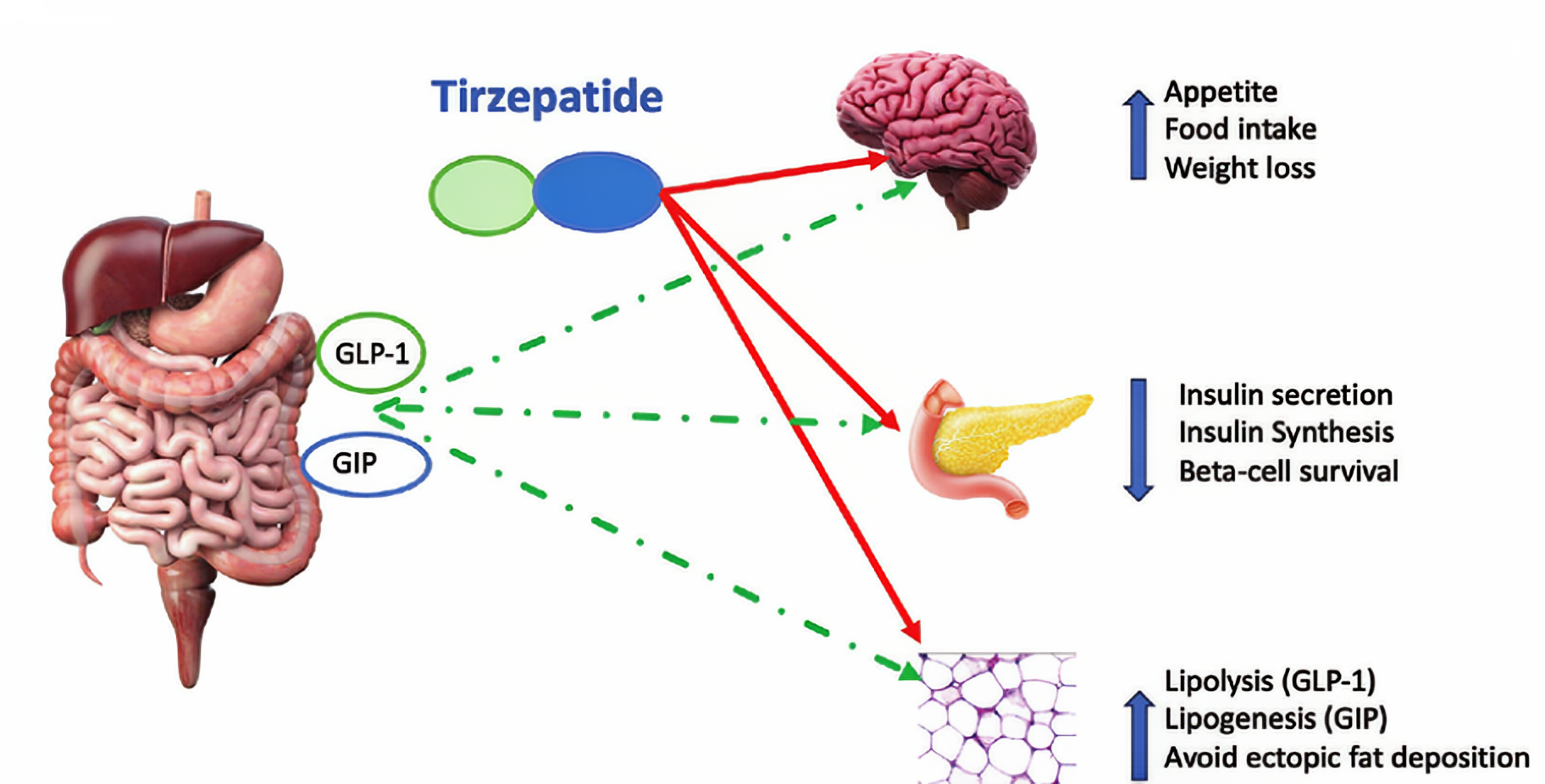
Figure 1 Mechanism of action of Tirzee [6].
What are the applications of Tirzee?
Treatment of type 2 metabolism:
Tirze is approved for the treatment of adult patients with type 2 metabolism as an adjunct to diet and exercise. The SURPASS trial demonstrated that Tirze significantly reduces hemoglobin A1c (HbA1c) levels, with reductions ranging from -1.87% to -2.59% (-20 to -28 mmol/mol). It also demonstrates superior glycemic control compared to certain GLP-1 receptor agonists, such as semaglutide 1 mg in the SUPRASS-2 trial. Additionally, it can reduce body weight, with weight loss ranging from -6.2 to -12.9 kg in clinical studies, which is particularly significant for patients with type 2 metabolism who often have overweight or obesity issues [1,4].
Obesity treatment:
Since Tirze promotes satiety, reduces food intake, and promotes weight loss, it has potential therapeutic value for patients with obesity. Studies show that it can reduce weight by over 20%, improve patients’ metabolic status, and serve as a new treatment option for obesity, helping obese patients lose weight and reduce the risk of various diseases associated with obesity[1,2].
Reduced risk of cardiovascular disease:
Patients with type 2 metabolism often face an increased risk of cardiovascular disease. In addition to lowering blood sugar and weight, Tirze has positive effects on cardiovascular-related indicators, including reducing blood pressure, decreasing visceral fat accumulation, and lowering circulating triglyceride levels, thereby helping to reduce the risk of cardiovascular disease and improve patients’ cardiovascular outcomes[4].
Potential treatment for non-alcoholic steatohepatitis (NASH):
Tirze has potential therapeutic effects on NASH. By improving insulin sensitivity and regulating glucose and lipid metabolism, it can reduce hepatic steatosis and inflammation, offering a new direction for NASH treatment[5].
Conclusion
As a GIP/GLP-1 dual receptor agonist, Tirze has demonstrated significant efficacy in the treatment of metabolism and metabolic disorders. By regulating insulin and glucagon secretion, delaying gastric emptying, and enhancing satiety, it effectively lowers hemoglobin A1c levels and reduces patient weight. Additionally, the drug improves cardiovascular risk factors such as lipid levels and blood pressure and demonstrates efficacy in non-alcoholic steatohepatitis.
Be the first to review “Tirze 20mg”
Related products
-
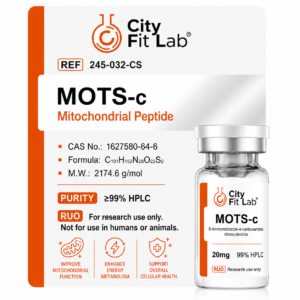
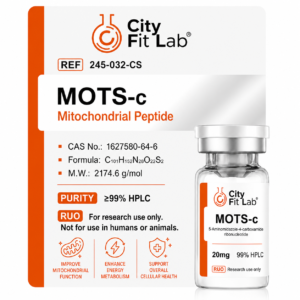
MOTS 20mg
Original price was: $2,400.$1,950Current price is: $1,950. -
-
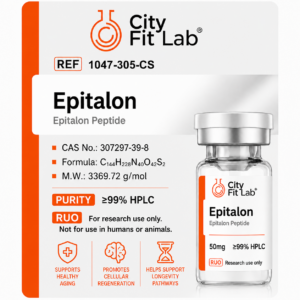
Epi 50mg
Original price was: $1,510.$1,300Current price is: $1,300. -
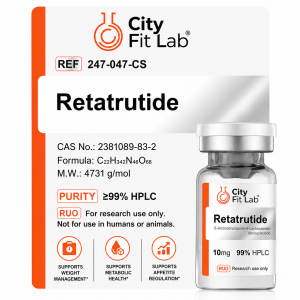
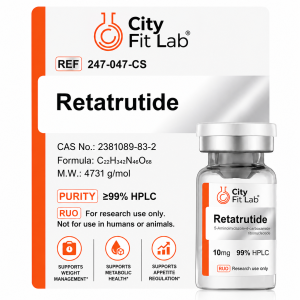
Reta 10mg
Original price was: $3,500.$2,100Current price is: $2,100. -
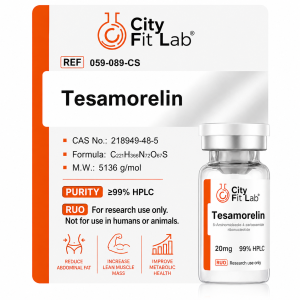
Tesa 20mg
Original price was: $3,950.$3,200Current price is: $3,200. -
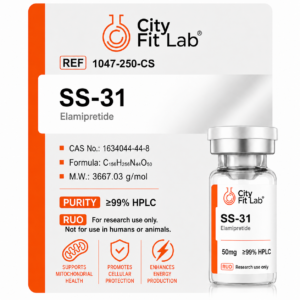
SS 31 50mg
Original price was: $4,721.$3,800Current price is: $3,800.
Reviews
There are no reviews yet.